


If you're going to try DIY interior painting, it's important to know that there are various factors to consider to ensure professional-like results. From using high-quality paint to preparing the surfaces to be painted there are many things that you should do regarding DIY home painting, but there are also things that you should avoid. Here, your helpful hardware folks at Ace Hardware in La Pine cover four things you should avoid when painting the interior of your home.
Painting Before Prepping
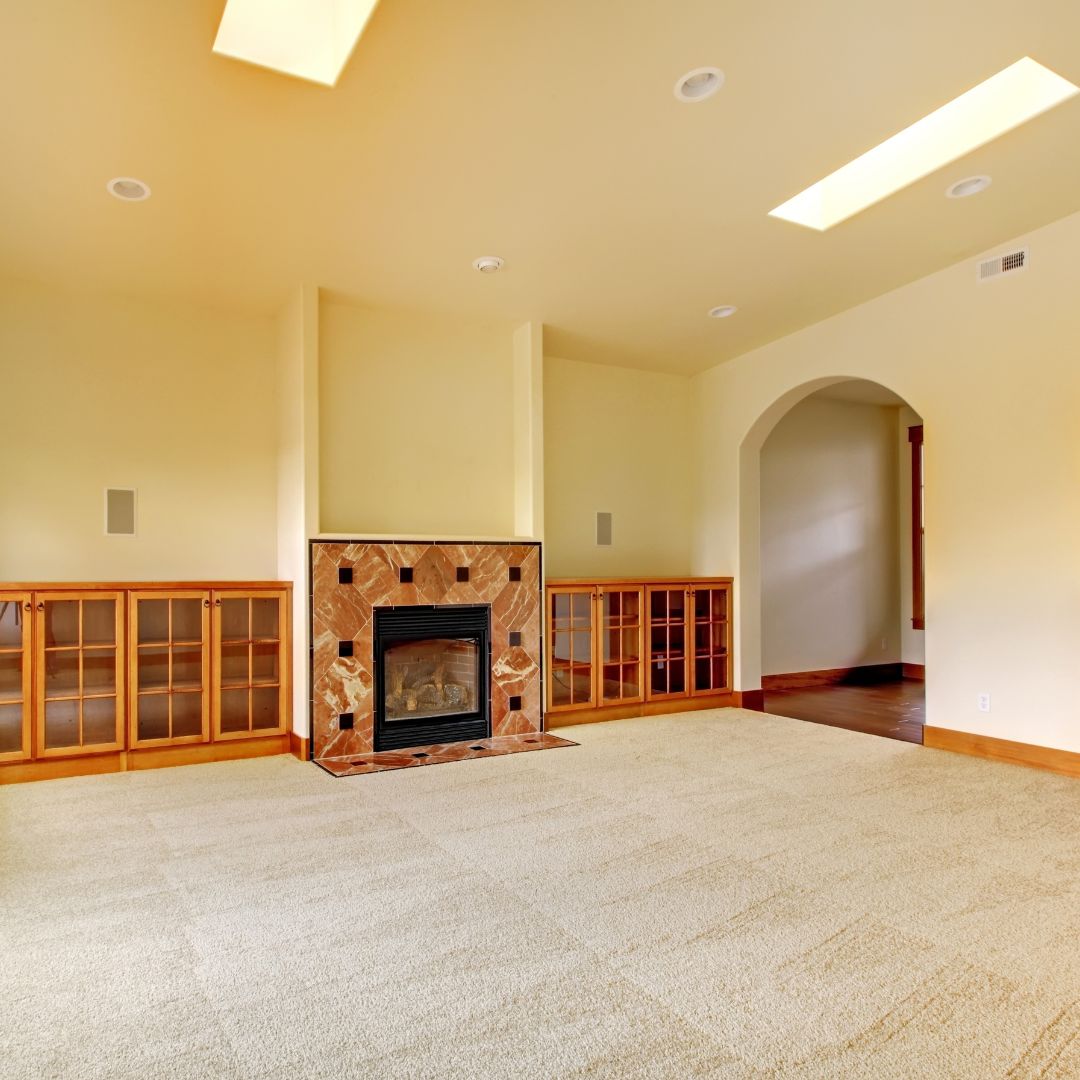
Successful paint jobs start with proper preparation. Avoid painting before you have removed all of the furniture, removed all of the light fixtures, and wiped down surfaces with a tack cloth. It is also helpful to tape down any light switches and electrical outlets and cover the floor with a drop cloth before you paint.
Not Testing Paint Samples in Room Light
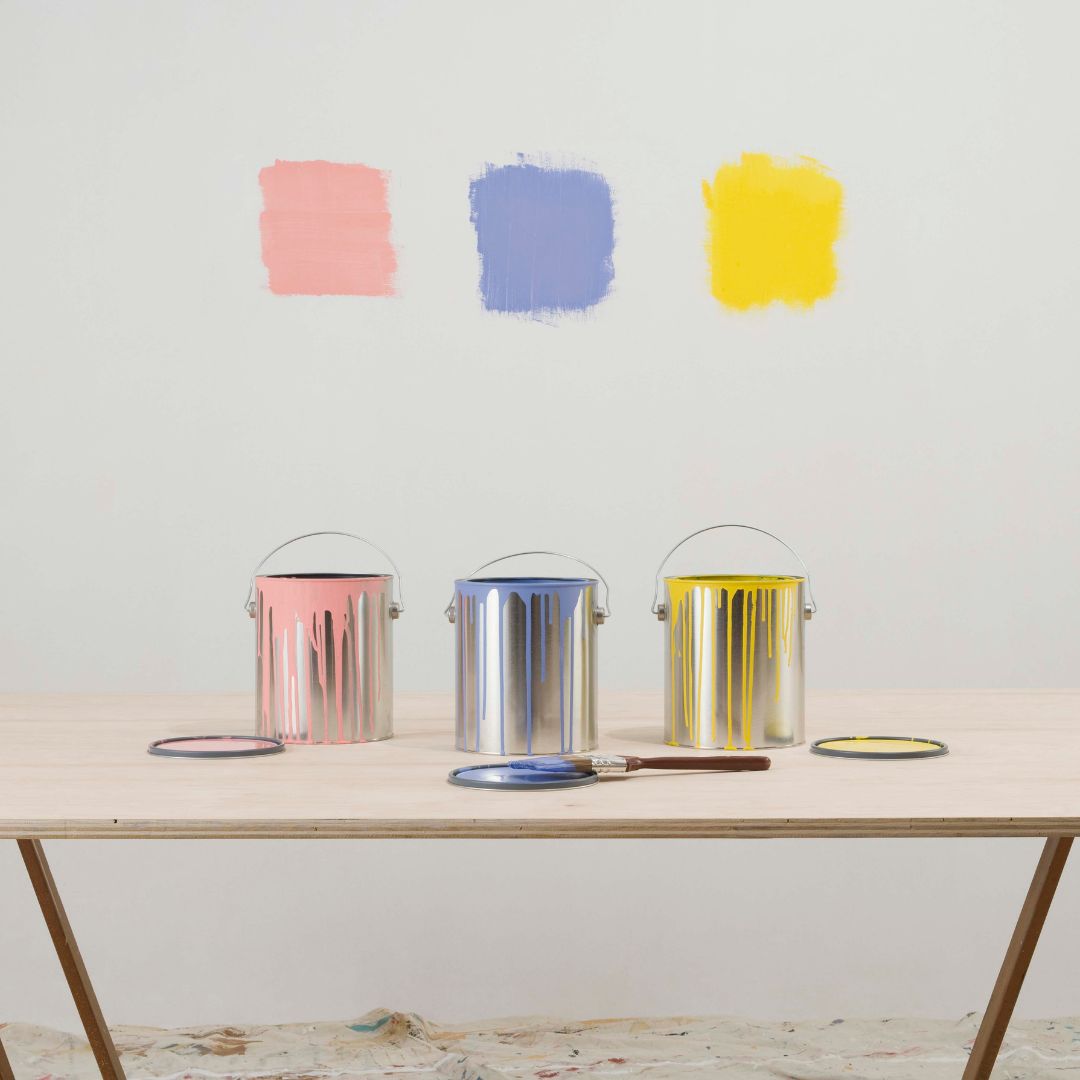
Before painting, you should test a paint sample in the room where you will be painting. This allows you to know what colors and shades work best for the space. Be sure to compare the different colors you are interested in so that you can feel confident in your decision.
Skipping Primer
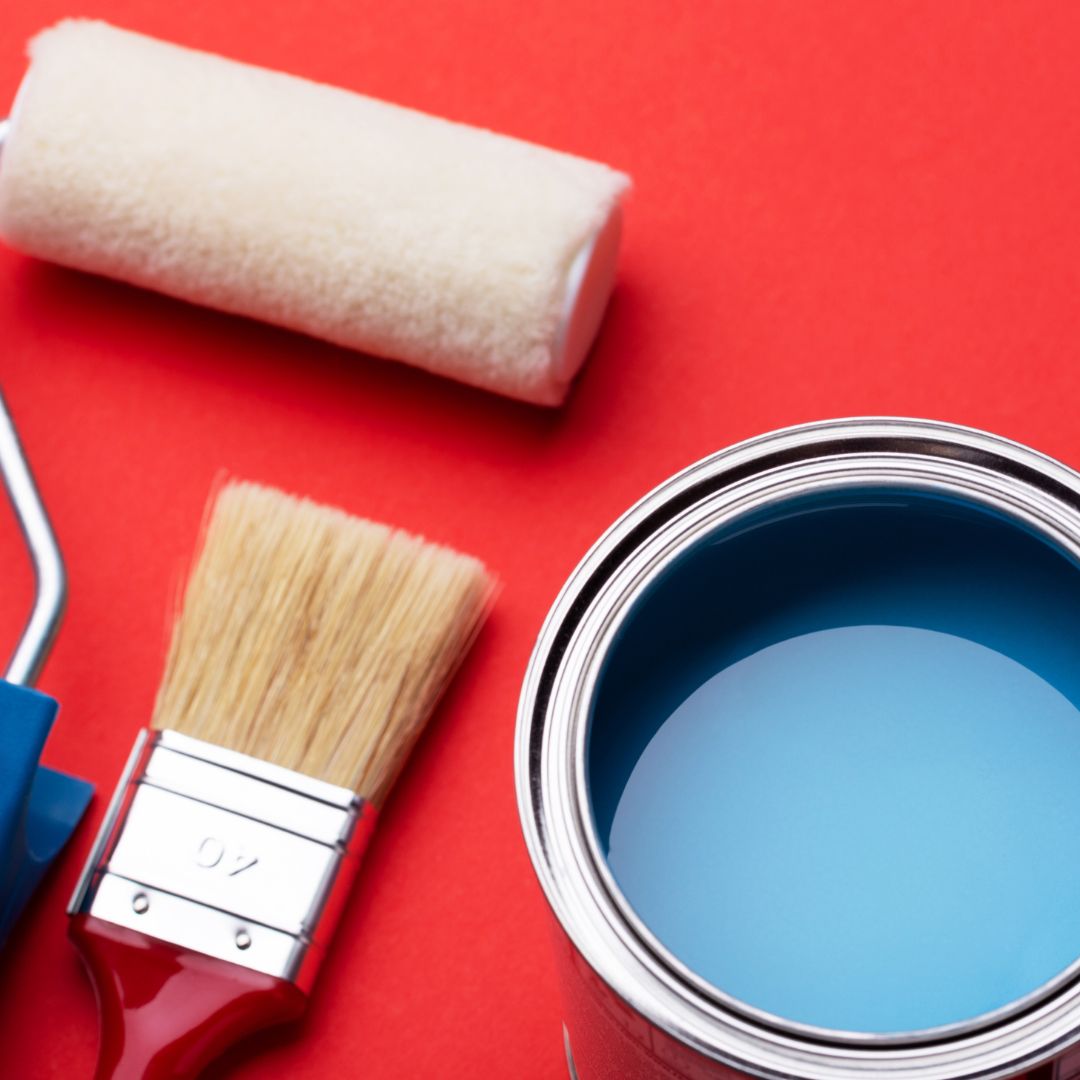
Using primer is essential to creating a long-lasting, smooth finish, this is a step you won't want to skip. Primer also helps to bring out the actual color you've chosen by sealing in it to the surface and helping the pigment adhere better to the walls it is applied to. We recommend using primer on new drywall or unpainted wood, before repainting over glossy or oil-based paints, to conceal surface stains, and before repainting a previously painted surface from dark to light.
Using Low-Quality Paint
Using low-quality paint is a common mistake that many people make when they start painting the inside of their homes. The typical home project will require a higher-end paint to ensure professional-looking finishes. Higher-end paints are more reflective, so they hold light better and create fewer shadows on the walls. We recommend choosing paint from a reputable brand like Benjamin Moore.
Picking the Wrong Paint Sheen
Another common mistake when painting is picking the wrong paint sheen for your project. A low-quality paint may not be able to offer the same level of shine as a more expensive competitor. If you want your walls to look stunning, choose a high-quality sheen like satin or gloss. Experts recommend painting the walls with semi-gloss paint to increase its shine.
Using Too Much Paint
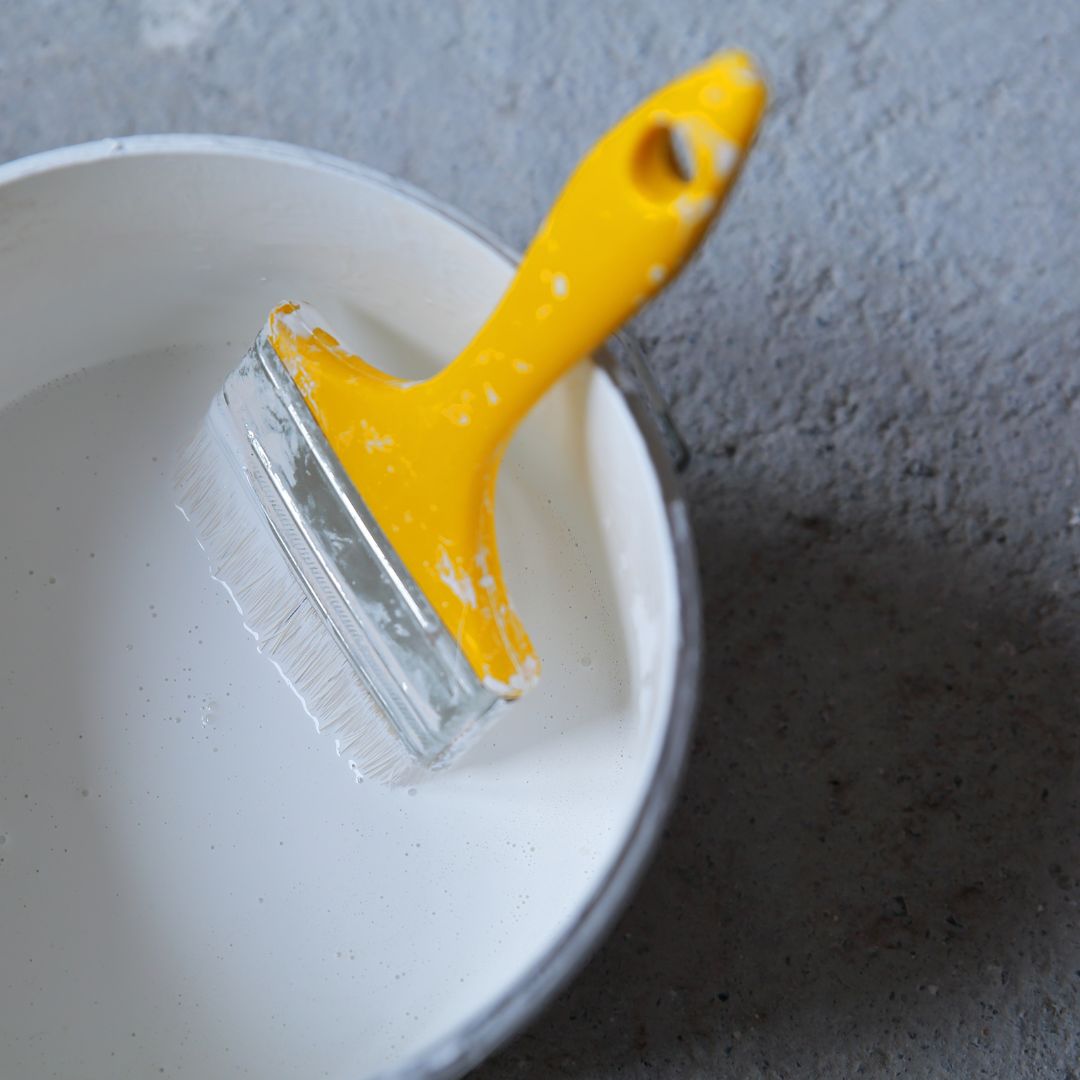
Another common mistake is using too much paint. It is easy to apply too much paint in a project, which will result in paint-splattered walls. Use the correct amount of paint per square foot of wall or per gallon of paint to avoid overdoing it with your project. Make sure you are applying only enough coats to cover the surface. Applying too much paint can result in paint seeping out of the walls, distressing the paint and making it difficult to cover up.
Not Waiting for a Second Coat
Another common mistake is not waiting for a second coat of paint. Experts recommend waiting for a second coat to dry in order to avoid smearing the first coat and making it harder to apply. Follow the instructions on your paint can regarding drying time between coats. If you’re unsure of drying times, wait 24 hours.
Using Improper Supplies
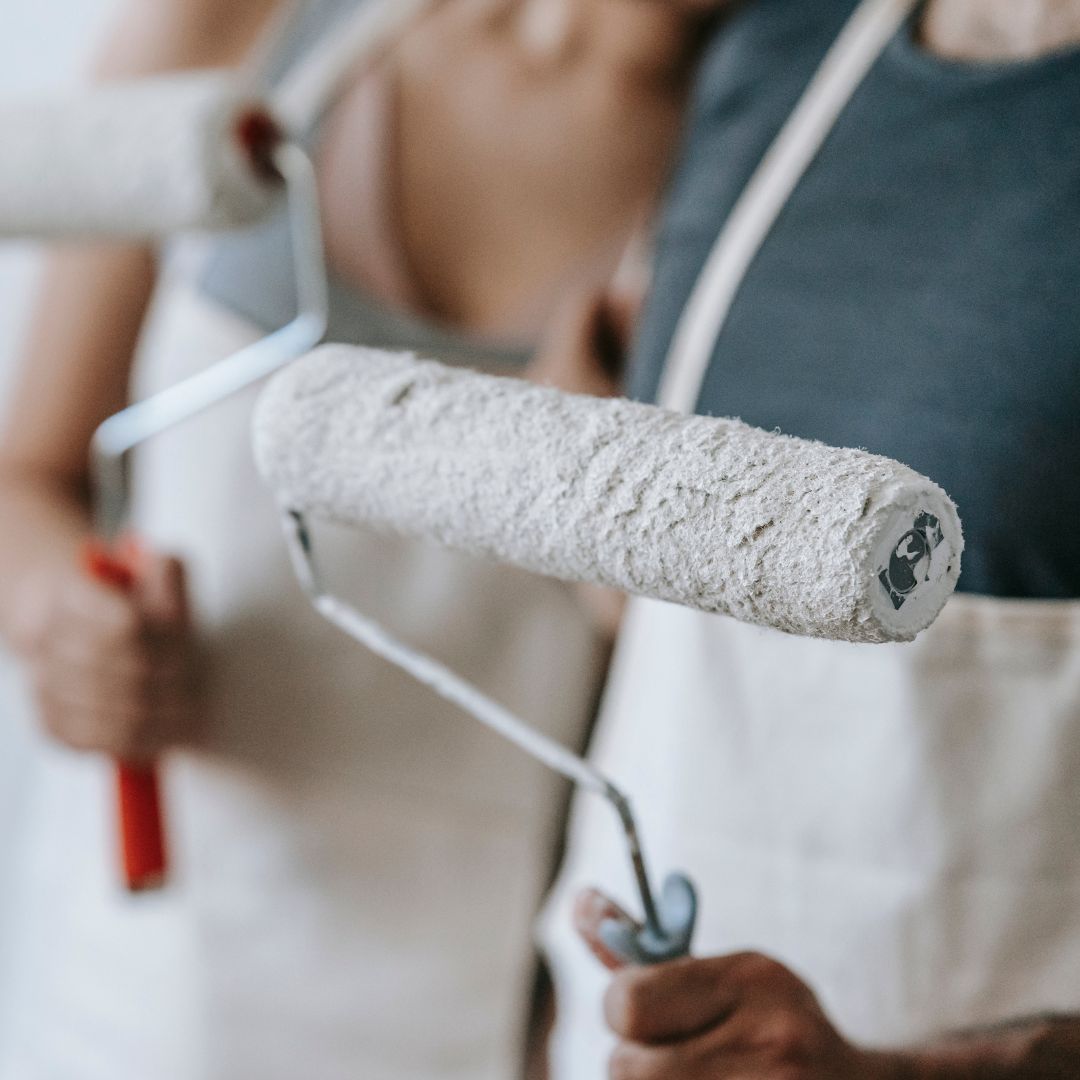
Before you start painting, be sure to purchase the proper supplies for your project. The most important tool is a paintbrush that you will use in the project; with this, you should also buy a roller. Other supplies include primer, paint brushes of various sizes, as well as painter's tape, and a step ladder.
At Ace Hardware, we have the paint and supplies you need for a successful project. With our products, and by avoiding these interior painting mistakes, you can ensure a job well done.