


Tackling a DIY interior paint project can be a fun and rewarding experience when you know how to do it properly. Before you get started, it is important to head to the best paint store in La Pine—Ace Hardware! We have everything you need, from quality Benjamin Moore paint to brushes, rollers, and other paint supplies. To ensure a job well done, our helpful hardware folks compiled the top 10 things you need to know before beginning an interior paint project.


Preparation is Necessary
Interior painting is much easier when there is nothing in your way. Before even opening the paint, you should clear the room you plan on painting as much as possible. If you are repainting a living room, for example, you should move large furniture pieces to the center and cover them with a drop cloth to keep the material protected. Be sure to fill any cracks, nail holes, or other imperfections with spackling, and it is a good idea to tape off adjacent walls, window trim, and light switch or outlet covers. Lastly, be sure to wipe down walls to remove any dirt, dust, or oils to ensure the paint adheres to the walls.
Use a Quality Primer
Speaking of preparation, priming is another thing that should be done before starting painting. The purpose of primer is to seal the walls and provide you with a base for the paint to adhere to. Primer also helps prevent flashing or a shiny spot on the wall, which occurs when paint is applied on spackling. Keep in mind, if you are painting new drywall, we recommend using a water-based primer to hide imperfections and provide an even base before applying color. If you’re painting paneling, water-damaged or smoke-saturated walls, an oil-based primer is the better choice.

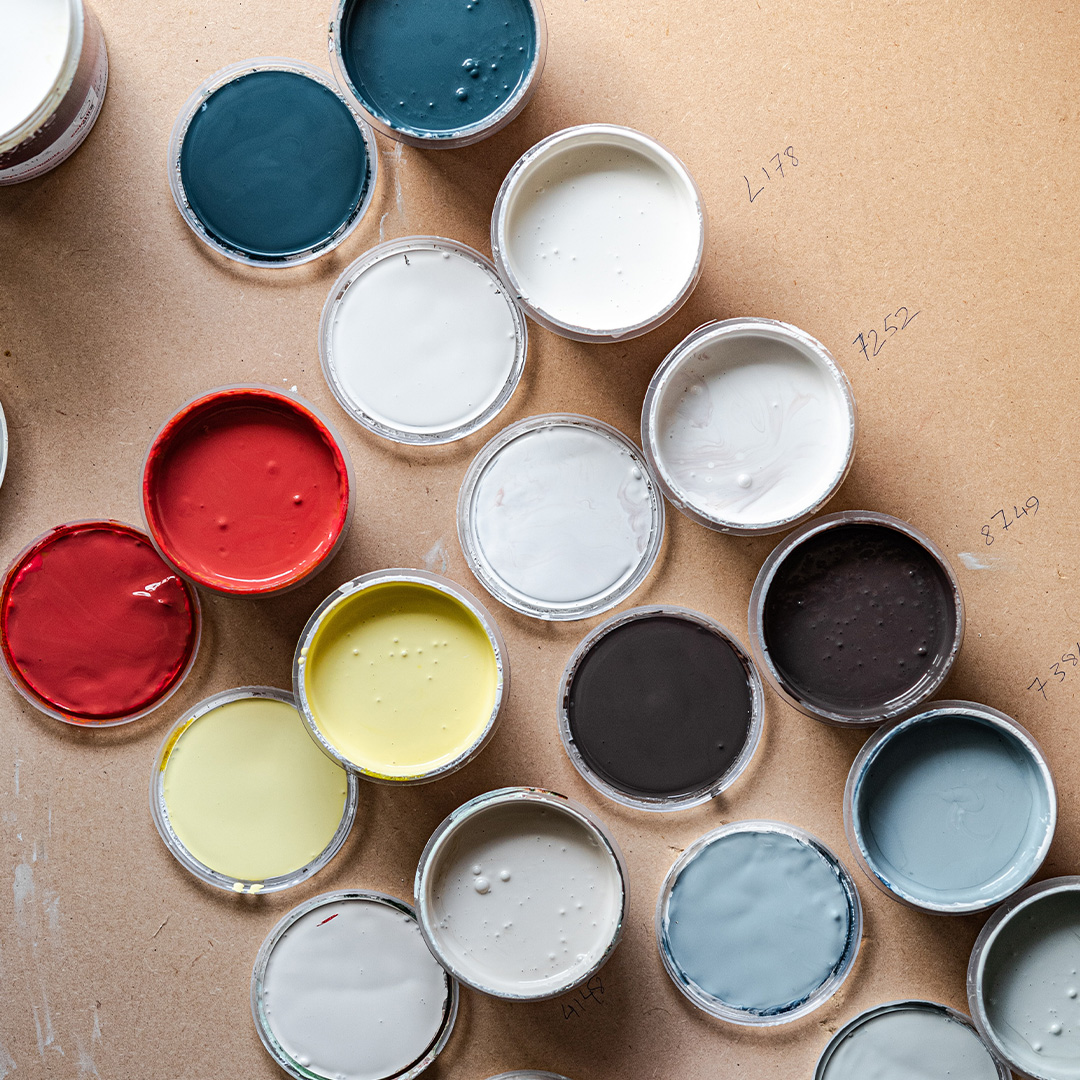
Test Your Paint Color
The best way to test paint colors is to buy small color samples for each wall. This will give you a variety of shades at your disposal, and you can find the one that suits the room best. It is also easier to paint darker colors over lighter ones, so it is worth doing some testing beforehand. Additionally, it is a good idea to look at the test area during different times of the day to see how it looks in both natural and artificial light. If you aren’t sure of the color you selected, purchase a few samples and test them as well. It is better to do this legwork upfront to ensure you don’t find yourself repainting in the near future.
Pay Attention to the Finish
Perhaps just as important as color, the finish is another factor to consider as it will greatly impact the look of your room. Keep in mind, high-gloss finishes are durable and easy to maintain, but they tend to highlight imperfections. Finishes that are more flat do a better job of covering up imperfections, but it doesn’t hold up as well in terms of durability. The most popular option is eggshell finish — it provides gloss, is very easy to clean, and does not highlight imperfections. Plus, it still offers durability.


Purchase the Right Amount of Paint
You don’t want to find yourself running out of paint once you finally hit a stride. Similarly, you don’t want to be left with copious amounts of paint left over once you’ve wrapped up your project. The best way to determine how much paint you need is to determine the square footage of the areas and rooms you want to paint. It is also important to think about how many coats of paint you will need. If you prime the walls first, one coat might be enough. Unprimed walls will typically need multiple coats. For a more precise number, you can use the paint calculator from Benjamin Moore, paint you can find here at Ace Hardware.
Mix Your Paint
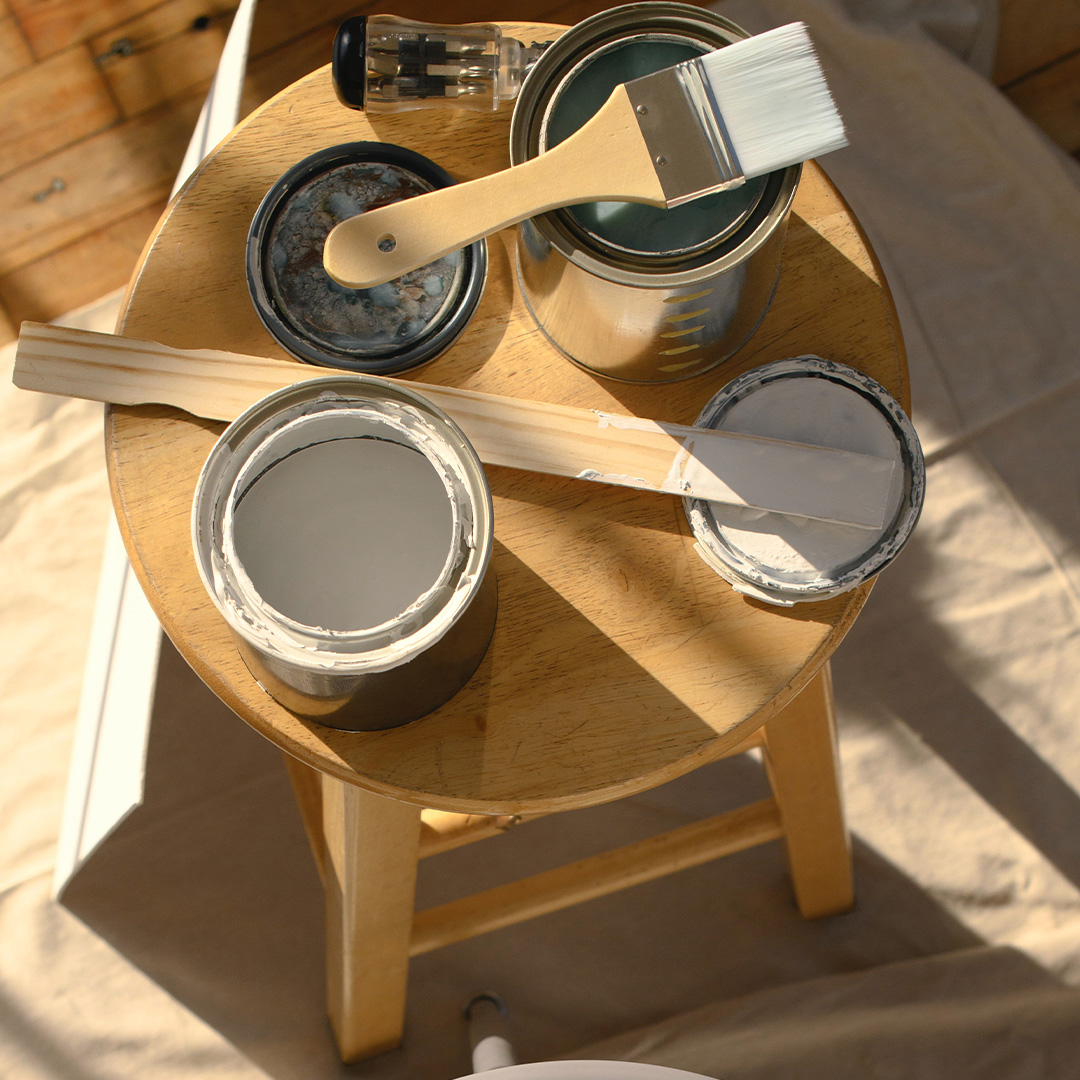
Mixing paint is essential to ensure a professional-level outcome. Mixing paint will help you avoid inconsistencies in color and coverage. Use a wooden paint stick to stir the paint before beginning, and be sure to re-stir often throughout the project. If you avoid constant stirring, ingredients can separate, which will risk compromising the true color that you wanted to begin with. Lastly, if you’re using more than one gallon of paint, it can be helpful to combine the cans in a large bucket in case there is a slight variation in color.
Use Quality Brushes and Rollers
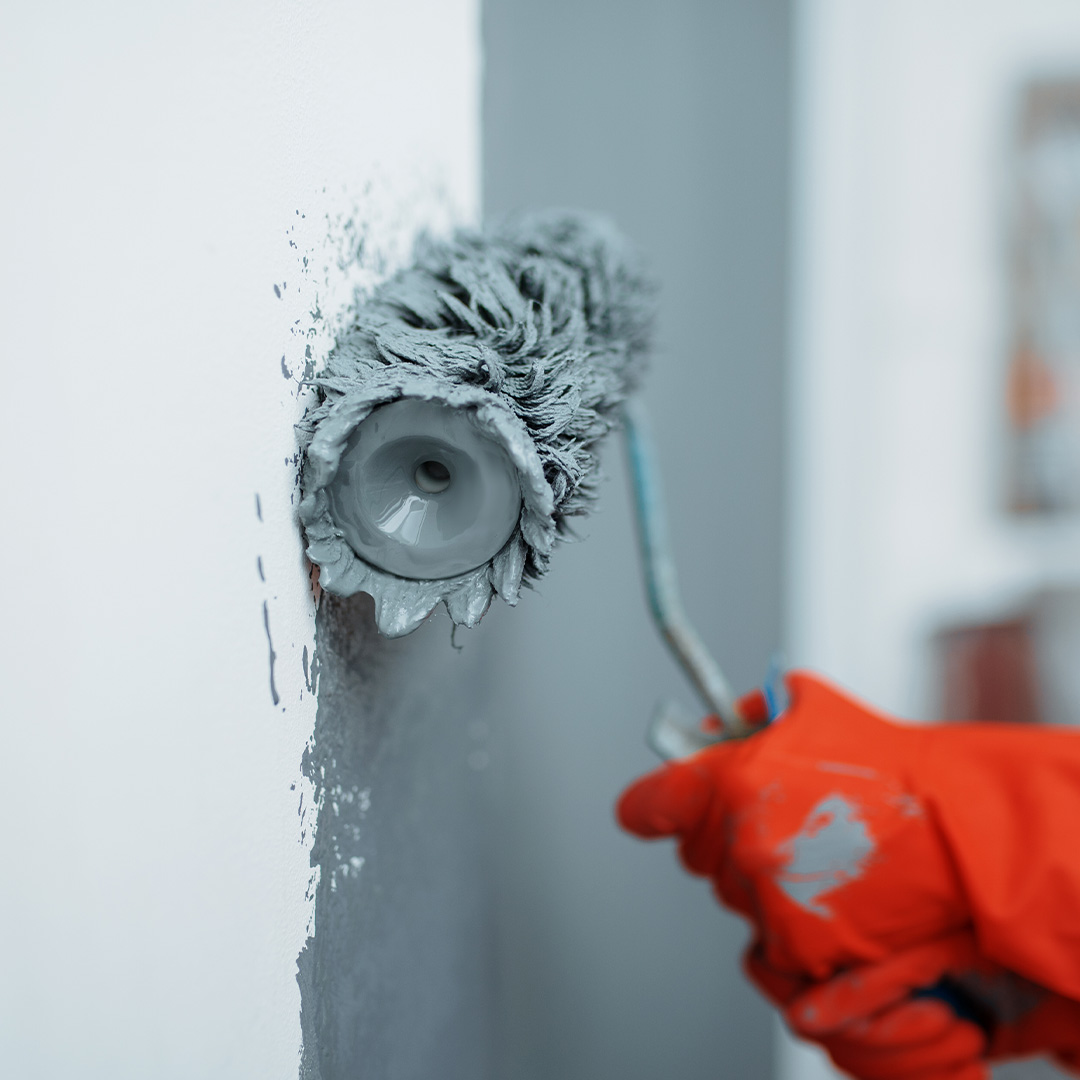
In order to get a professional-level result, it is important to purchase high-quality brushes and rollers. It is recommended that you use a paintbrush with short bristles for small areas, coils for larger shapes and areas, as well as straight brushes for smaller shapes. Roller covers should be replaced frequently so that there are no sharp edges on them. If you use painting supplies that are old, worn, or not high-quality, you'll be more likely to end up with a sloppy, uneven paint job with numerous imperfections.
Pick Your Painting Techniques
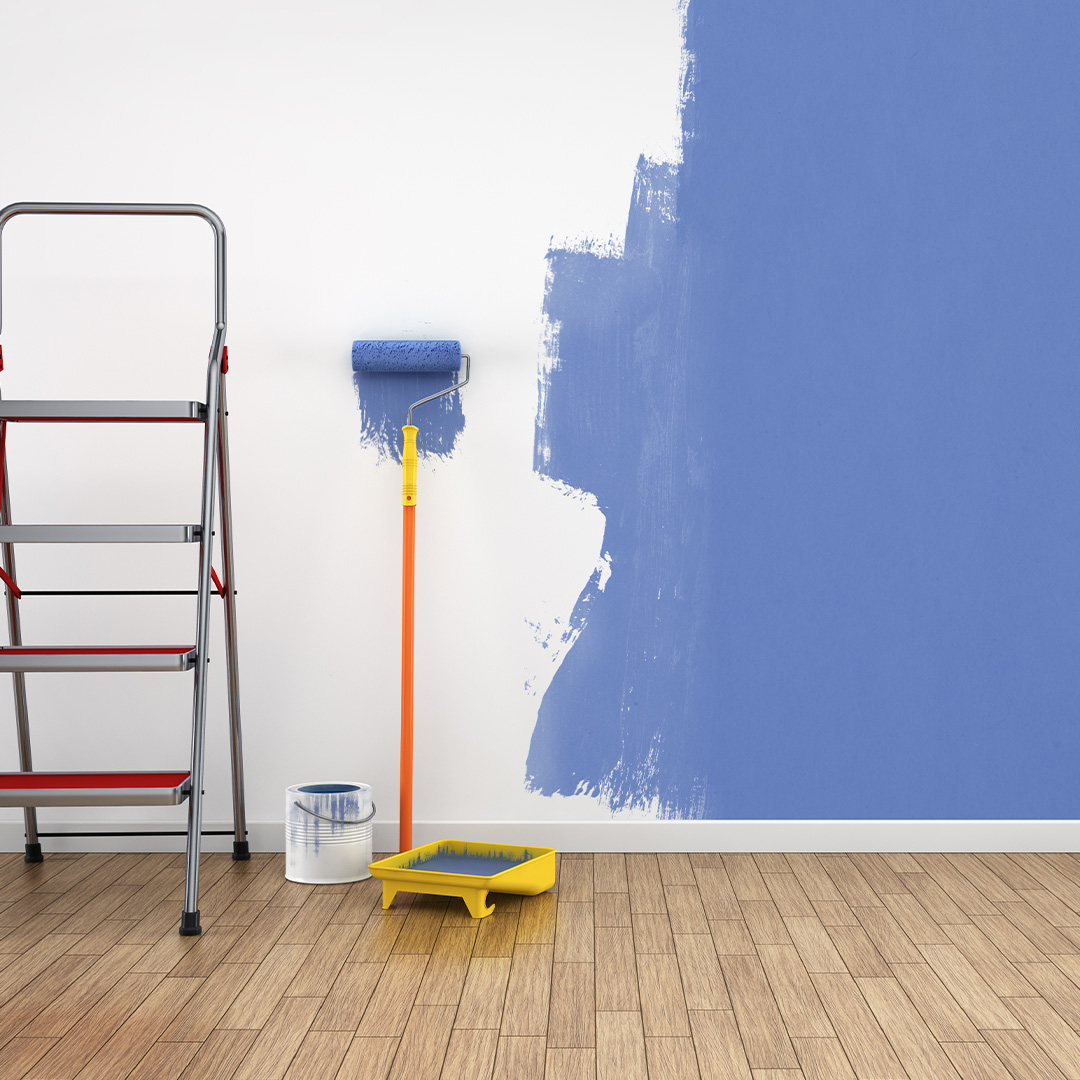
Once your paint is mixed and you have all of your brushes, rollers, and other painting supplies ready, create a plan regarding the application of paint. This will ensure there aren’t any hiccups in your work. It is recommended to work from the top of a room down, starting with the ceilings. Planning on doing a bold accent wall? Paint the adjoining light-colored walls first. Once the walls are dry, use painter’s tape off the edge of the walls so you don’t get the bolder color on the lighter walls. Start with brushes or rollers, and end with a roller to achieve a smooth, finished look. The best paint roller technique is to apply with long strokes in a W pattern for ample coverage. Once the paint is dry you can apply a second coat, if needed.
Ensure Proper Ventilation
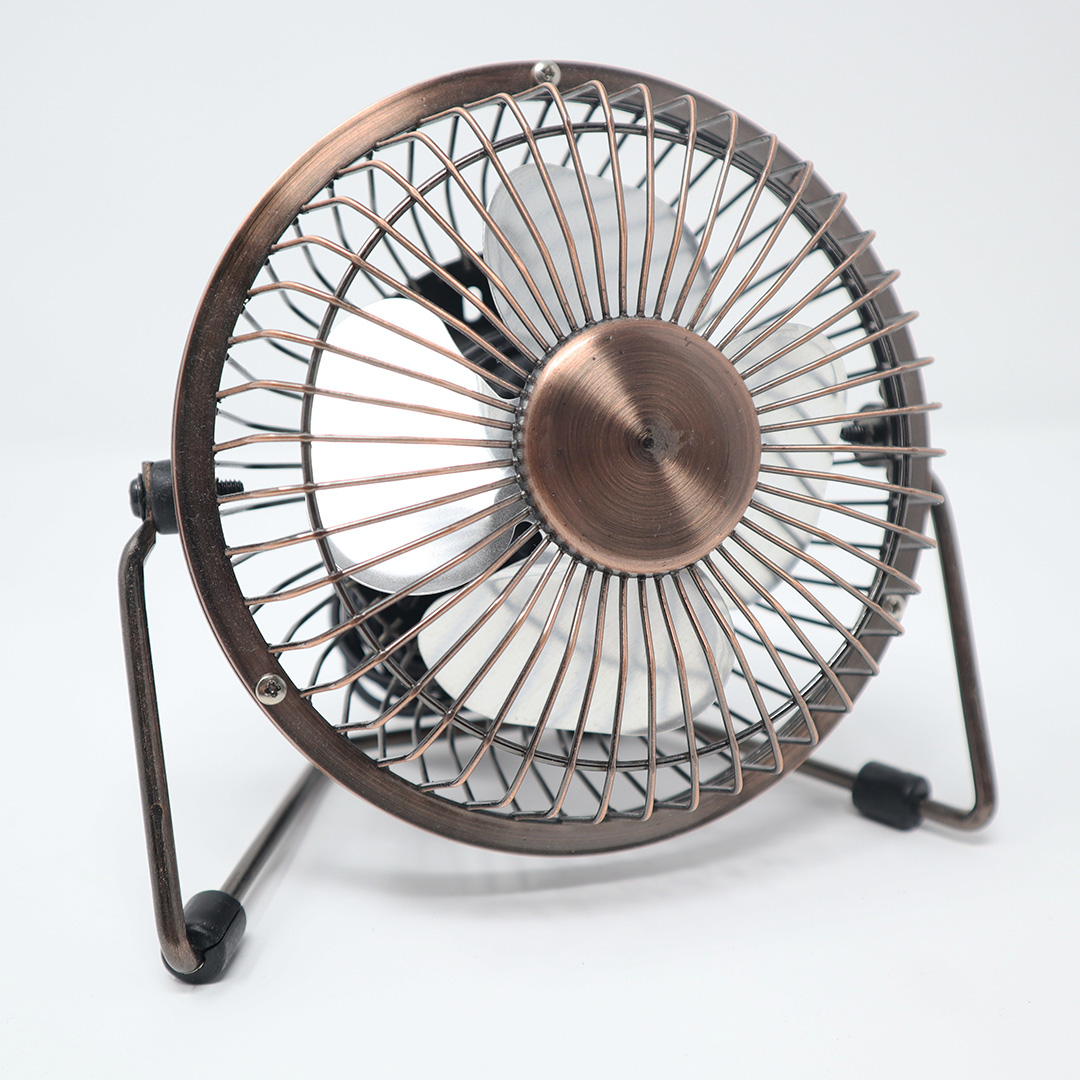
Paint will dry faster when the room or area it is applied within is well-ventilated. To ensure proper ventilation, open windows and use fans. Ideally, the area should be warm in temperature with a fan blowing to help promote a quicker drying time. If the room is cold or damp, the paint will take significantly longer to dry and might not look as great once it is fully dry, especially compared to paint dried in a room with proper ventilation and an ideal drying temperature. As part of your paint preparation, you should take the weather into consideration for the days you plan to paint. Choose a nice warm day so that you can open the window and turn on any fans to help speed up the drying process.
Give Yourself Plenty of Time
Whether your plan is to paint a single room or an entire house, allow yourself plenty of time. If it is a single room, plan on painting for at least three to four hours in order to complete the job. For an entire house, plan for about eight to10 hours of painting time. The paint will dry much faster when allowed to fully dry and that should be your priority if you are going to apply it over a large area. Be sure to budget more time than you think the job will need just in case you encounter any issues or delays and don’t forget to take prep and cleanup time into account.
These 10 tips will surely make your painting experience better than you could have ever expected. For paint, supplies, and more painting tips from our helpful hardware folks, visit Ace Hardware in La Pine today!